
Air Water Generation Explained: How Machines Create Safe Drinking Water from Air
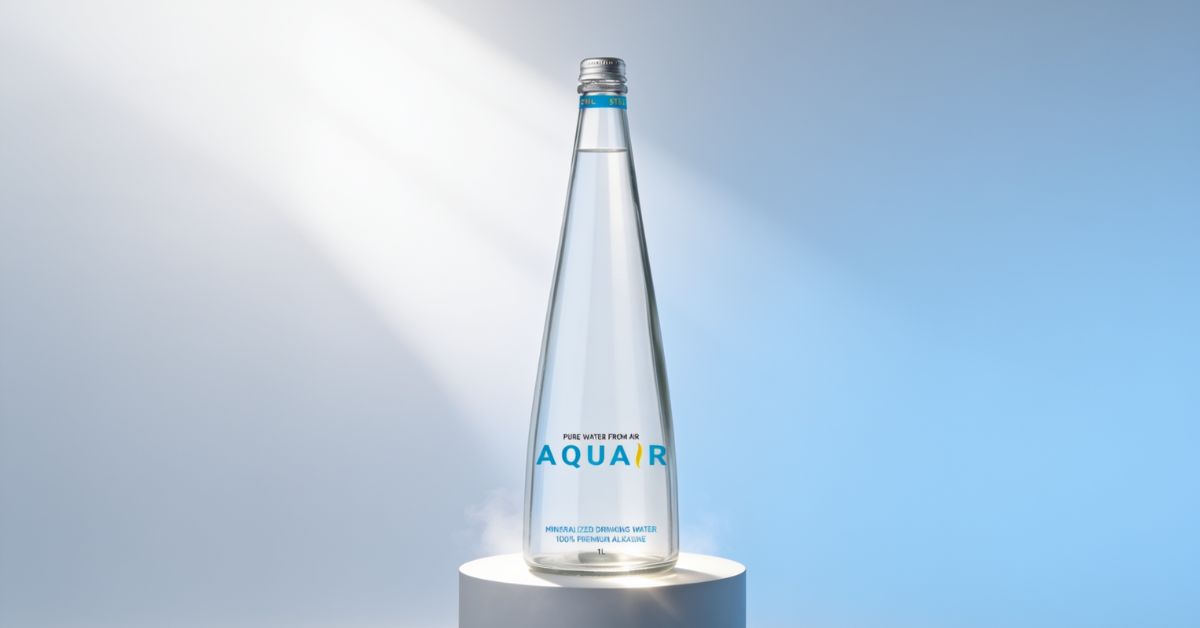
Clean drinking water is becoming one of the most valuable resources in the modern world. With growing water shortages, groundwater depletion, pollution, and climate change, people are searching for smarter and more sustainable ways to access safe water. One of the most innovative solutions emerging today is Air Water Generation (AWG) technology.
Air water generation machines can create fresh drinking water directly from the atmosphere. Yes, these advanced systems literally turn air into water.
This groundbreaking technology is helping homes, businesses, industries, and communities reduce dependence on traditional water sources while promoting sustainability and water conservation.
In this complete guide, we will explain how air water generation works, how atmospheric water generators produce safe drinking water, their benefits, applications, and why this technology is becoming increasingly important for the future.
What is Air Water Generation?
Air Water Generation, also known as Atmospheric Water Generation (AWG), is a technology that extracts moisture from the air and converts it into purified drinking water.
The atmosphere naturally contains water vapor, even in areas that appear dry. AWG machines capture this humidity, condense it into liquid water, and purify it for safe consumption.
The concept is inspired by a natural process - condensation. Just like water droplets form on a cold glass during humid weather, atmospheric water generators recreate this process using advanced cooling and filtration systems.
The result is clean, safe, and fresh drinking water directly from the air around us.
How Do Air Water Generation Machines Work?
Understanding the working process of atmospheric water generators is simple when broken down into stages.
Step 1: Air Intake
The machine begins by pulling air from the surrounding environment using high-efficiency fans.
Since air naturally contains moisture, especially in humid climates, the system captures this moisture-rich air for processing.
Some advanced systems also include pre-filters to remove dust and airborne particles before the condensation process begins.
Step 2: Cooling and Condensation
The incoming air passes through cooling coils inside the machine.
When the temperature drops below the dew point, water vapor present in the air condenses into liquid water droplets.
This process is similar to how dew forms naturally during early mornings.
The condensed water is collected into a storage chamber inside the atmospheric water generator.
Step 3: Multi-Stage Water Filtration
After water collection, the next step is purification.
Modern air water generation systems use advanced filtration technologies to ensure the water becomes safe for drinking.
Common purification stages include:
Sediment Filtration
Removes dust, particles, and impurities.
Activated Carbon Filtration
Helps remove odors, chemicals, and organic contaminants.
UV Sterilization
Kills bacteria, viruses, and microorganisms.
Mineral Enhancement
Some systems add essential minerals like calcium and magnesium for improved taste and health benefits.
Reverse Osmosis (Optional)
Certain advanced systems use reverse osmosis for extra purification.
These purification stages ensure high-quality drinking water.
Step 4: Storage and Dispensing
The purified water is stored in hygienic storage tanks within the machine.
Users can then access fresh drinking water directly from the system whenever needed.
Many advanced atmospheric water generators also include:
- Temperature control
- Smart monitoring systems
- Touchscreen displays
- Automatic cleaning features
Is Water Generated from Air Safe to Drink?
Yes, water produced through atmospheric water generation is safe to drink when processed using proper purification systems.
In fact, many AWG systems provide water that meets high drinking water quality standards.
The multi-stage purification process removes harmful contaminants such as:
- Bacteria
- Viruses
- Dust particles
- Air pollutants
- Odors
- Harmful chemicals
Regular maintenance and filter replacement help maintain water quality and machine efficiency.
Why Air Water Generation Technology is Important
Water scarcity is becoming a global challenge. Millions of people struggle to access clean drinking water due to:
- Groundwater depletion
- Pollution
- Droughts
- Population growth
- Climate change
Air water generation offers an alternative and sustainable solution by creating water independently from atmospheric humidity.
This reduces dependence on traditional water sources and helps improve water security.
Benefits of Air Water Generation Machines
Atmospheric water generators offer several important benefits.
1. Produces Clean Drinking Water
AWG systems generate purified drinking water directly from air moisture.
This reduces dependence on contaminated water sources.
2. Reduces Groundwater Usage
India and many other countries are facing severe groundwater depletion.
Air water generation helps conserve underground water reserves.
3. Eco-Friendly Water Solution
AWG technology helps reduce:
- Plastic bottle waste
- Water transportation
- Environmental pollution
This supports sustainable living and green initiatives.
4. Works in Remote Locations
Air water generation systems can provide water in areas where pipelines or water supply systems are unavailable.
This makes them ideal for rural and remote regions.
5. Emergency Water Supply
Portable atmospheric water generators are useful during:
- Natural disasters
- Floods
- Droughts
- Emergency relief operations
6. Reduces Dependency on Packaged Water
Businesses, homes, and offices can reduce reliance on bottled water and tanker supply systems.
Applications of Air Water Generation Technology
Air water generation systems are being used across many industries and sectors.
Residential Homes
Families use compact AWG units for daily drinking water needs.
Offices and Commercial Buildings
Businesses install atmospheric water generators to provide sustainable drinking water solutions.
Hotels and Hospitality Industry
Hotels use AWG systems to support eco-friendly operations and reduce bottled water consumption.
Hospitals and Healthcare Facilities
Healthcare centers require reliable access to purified water for patients and medical operations.
Schools and Colleges
Educational institutions use AWG systems to provide clean water to students and staff.
Industrial Applications
Industries use atmospheric water generation technology for sustainable water management.
Rural Development Projects
Remote villages with limited water access can benefit significantly from AWG systems.
Factors Affecting Air Water Generation Efficiency
Several environmental conditions influence how much water an AWG machine can produce.
Humidity Levels
Higher humidity allows greater water production.
Temperature
Warm temperatures generally improve condensation efficiency.
Machine Capacity
Different models are designed to produce different quantities of water per day.
Energy Consumption
Modern systems are becoming increasingly energy efficient.
Many companies are also developing solar-powered atmospheric water generators.
Air Water Generation in India
India is one of the countries where atmospheric water generation can have a major impact.
The country faces several water-related challenges, including:
- Seasonal water shortages
- Contaminated groundwater
- Drought-prone regions
- Increasing urban demand
Air water generation technology offers a sustainable alternative that can support homes, businesses, and communities across India.
As awareness grows, more organizations are investing in AWG systems to secure reliable access to clean drinking water.
Future of Air Water Generation Technology
The future of atmospheric water generation looks highly promising.
Ongoing technological advancements are making AWG systems:
- More affordable
- More energy efficient
- Compact in size
- Suitable for large-scale operations
Future innovations may include:
- Solar-powered AWG systems
- AI-based monitoring
- Smart water management systems
- Industrial-scale atmospheric water plants
As global water demand continues to rise, air water generation is expected to become a major part of sustainable water infrastructure.
Why Air Water Generation is a Sustainable Solution
Atmospheric water generation supports environmental sustainability in several ways.
It helps:
- Conserve groundwater
- Reduce plastic pollution
- Lower dependence on packaged water
- Minimize water transportation
- Support green infrastructure
This makes AWG technology an important solution for future smart cities and sustainable development.
Conclusion
Air Water Generation technology is transforming the way people access clean drinking water. By converting atmospheric moisture into purified water, AWG machines provide an innovative, eco-friendly, and sustainable alternative to traditional water sources.
From homes and offices to industries and rural communities, atmospheric water generators are helping solve water challenges while supporting environmental conservation.
As technology continues to improve, air water generation is expected to become one of the most important sustainable water solutions of the future.
To explore advanced air water generation solutions and sustainable water technologies, visit Aeronero Life.